Effective warts treatment starts with a thorough, accurate evaluation
Moles. Warts. Some precancerous or cancerous growths. All these anomalies and features of the skin can look similar. Since the cause of these growths and their treatment options vary considerably, it is important to schedule a consultation with an experienced, board-certified skin specialist. In her 25-plus years as a dermatologist, Dr. Hope Mitchell has developed expertise in skin cancer prevention, diagnostics, treatment, skin care consultations, and hyperpigmentation (dark spots). She applies such considerable, highly specialized knowledge to get to the root of your skin concern, which informs appropriate and effective treatment plans.
Warts explained
Moles and other forms of hyperpigmentation (such as “age spots”) are caused by the melanocyte cells that give our skin, hair, and eyes color. When these cells clump together, you end up with darkened spots. Alternately, warts are caused by infections and, specifically, the human papillomavirus (HPV). While HPV is responsible for many serious conditions, including cervical cancers, it is also associated with benign concerns like warts. Since it is a viral condition, warts are usually transmitted by skin-to-skin contact with people who have these flesh-colored, pinkish, or tan-hued rough patches. Younger children and adults with impaired immunity are at the most significant risk of developing warts.
The hands are a common site for warts. While they may disappear on their own, warts can be embarrassing. We understand that you may not want to wait for them to potentially fade on their own. Dr. Mitchell can apply many of the same technologies to correct other skin problems, such as age spots and broken capillaries. These treatments include:
- Prescription meds — She may prescribe topical drugs applied to the skin, which trigger a process whereby affected tissues are removed. Fresh, unblemished, and healthy skin is revealed.
- Controlled cooling — We use a safe process to “freeze” off the wart and potentially protect the skin from future warts.
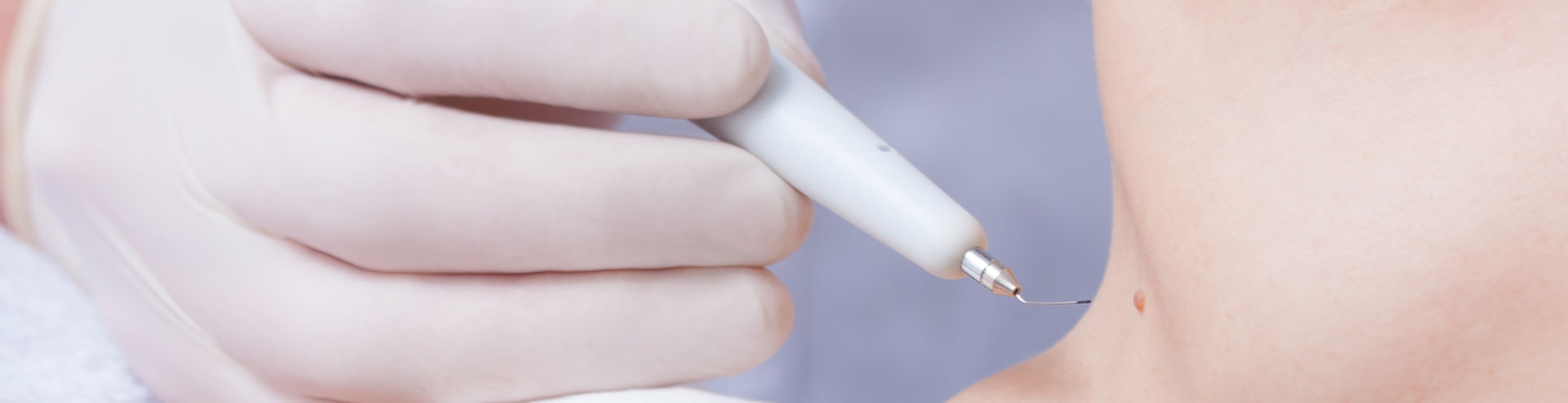
- Light-based devices – Dr. Mitchell can precisely apply energy from laser technology to damage the wart, which eventually falls off.
These standard treatments may work for one patient and not another patient. Also, what one assumes to be a wart may be conditions like seborrheic keratosis. While SKs are benign and not dangerous, they can be bothersome and cause irritation and bleeding (should they rub against fabrics such as your clothes). Interventions for SKs also vary and include scraping off the trouble spot with surgical instruments.
Stop worrying about your (suspected) warts today. Schedule a consultation with the Mitchell Dermatology team. Call the Perrysburg office 419.871.3737 or our Fremont location 419.871.3636 today.
Request an Appointment

Hope Mitchell, MD, is the founder and medical director of Mitchell Dermatology and an Ohio board-certified medical and cosmetic dermatologist. Dr. Mitchell has 25 years of expertise in the field. She is prepared to meet every skin care need with a personalized, one-of-a-kind treatment plan that you deserve.